
At a recent public art conference, I attended a keynote speech titled “Here, There, and Everywhere: Transforming Spaces with Public Art” that covered using public art to enhance spaces like universities, urban areas, health facilities and events like Burning Man. The concepts and ideas were nothing new, but they very nicely validated what we do here in Las Cruces, most currently with new housing.
Previous blogs have talked about the “Art in Public Places” (AIPP) program managed by New Mexico Arts. We receive funding for public art in new facilities or state funded projects. Recently, I began working with our Housing and Neighborhood Revitalization Administrator, Natalie Green, and Community of Hope Executive Director, Nicole Martinez, to purchase art using their AIPP funding. I am typically involved in the process of selecting the art from the beginning to make sure fitting choices are made. It’s a whole thing. In this case, Natalie and Nicole sent me their final selections so I could start the purchasing process. I was so impressed by their choices I asked about their process of selecting. I learned so much more about how they see art, the communities they work with. They are truly the correct people to be making these art selections.
Nicole chooses art that creates a safe space for their clients. Says Nicole, “We want our public areas to be inviting to the people we serve, to staff and volunteers. We prefer calming art and place it in areas where clients gather (resource rooms, lobbies).” She adds that she tries to consider art that is not going to trigger the population they serve. For this purpose, there are specific variables others may not consider. If I’m being honest, that is not the first thing I would think about when choosing art even though it makes so much sense.
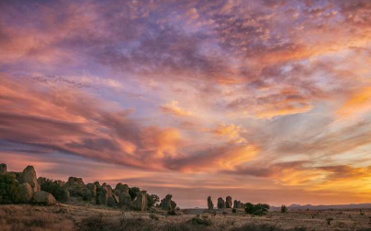
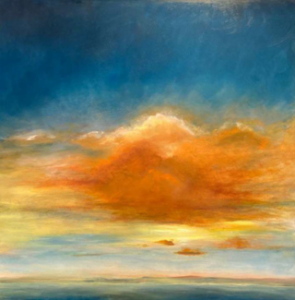
Studies have shown that art can provide a healing environment by promoting a sense of calm and positivity, inspiring compassion, hope and trust. As Nicole explains, “We prefer colors and styles that are engaging and possibly resonate with those who have experienced homelessness—considering local landscapes, avoiding dark and chaotic art for the population we serve.”
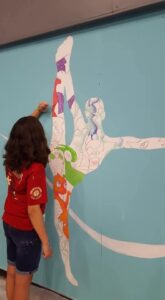
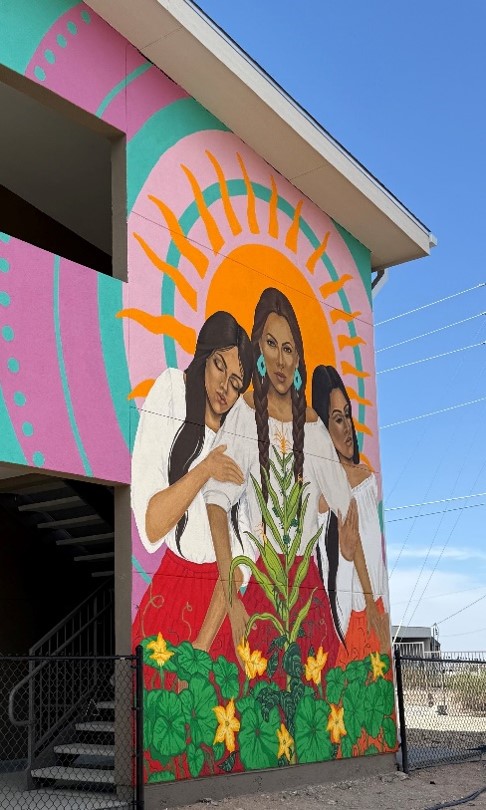
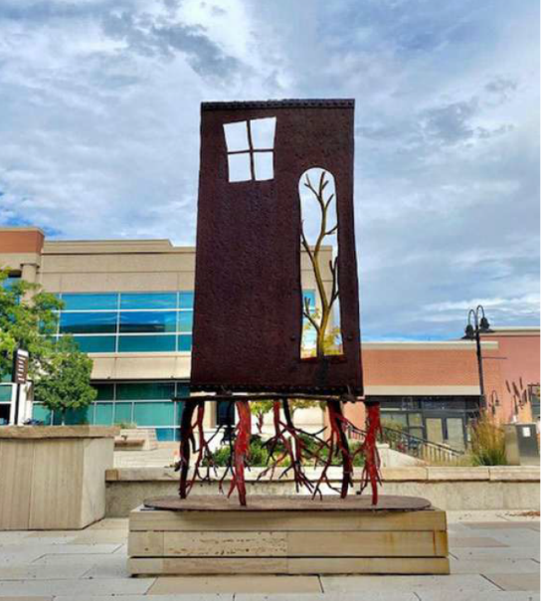
Natalie, who manages new housing projects, has the honor of purchasing art for those facilities. “We try to pick based on the future tenants and try to match the theme of the project. So, for Amador Crossing (new housing development) we loved the house sculpture with roots to echo that for clients, Amador Crossing is a place to call home and re-establish roots, build safety and community.” Natalie also likes the art to be representative of diversity of the community. “Three Sisters mural is one of my favorite examples since it paired a historical allegory with cultural representation and is really a showstopper when you drive by,” she said.
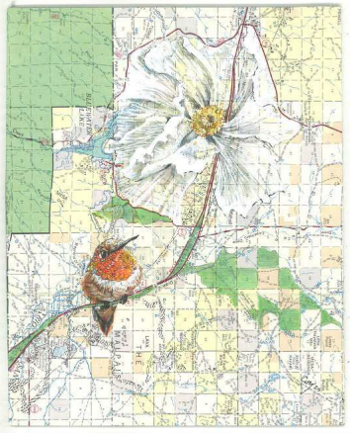
As it turns out, they do not select the art in a silo. According to Nicole, “before we select the art, staff and our unhoused clients all vote on their favorites. Many liked bright colors as opposed to dark colors. One piece of art chosen included maps which resonated with clients who are ‘travelers.’” Says Natalie, “For me, public art is the icing on the cake of any project. Art always reminds me of Maslow’s hierarchy of need. Art and expression are a sign of self-actualization after all the basic needs have been met on the pyramid. It’s one of the reasons I like art to be paired with Affordable Housing.” Nicole closes with this thought; “We work with clients who have experienced a lot of trauma. Art can be very healing and welcoming, so we feel it is incredibly important to have public art in our facilities.”