

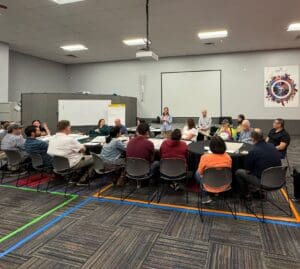
Stay informed about the City of Las Cruces’ ongoing efforts to revitalize neighborhoods through tools like Metropolitan Redevelopment Areas (MRAs). In 2022, the Economic Development Department partnered with Groundwork Studio to evaluate the City’s infill areas for potential MRA designation. This effort resulted in the Las Cruces MRA Boundary Designation Report, a key step in identifying areas for targeted redevelopment.
Today, the City is advancing plans to reimagine and revitalize designated areas across Las Cruces. These efforts represent an opportunity to transform neighborhoods into vibrant, pedestrian-friendly communities that support sustainable and equitable growth.
Our approach goes beyond commercial revitalization. It prioritizes infrastructure improvements, environmental sustainability, social equity, historic preservation, and public safety and health.
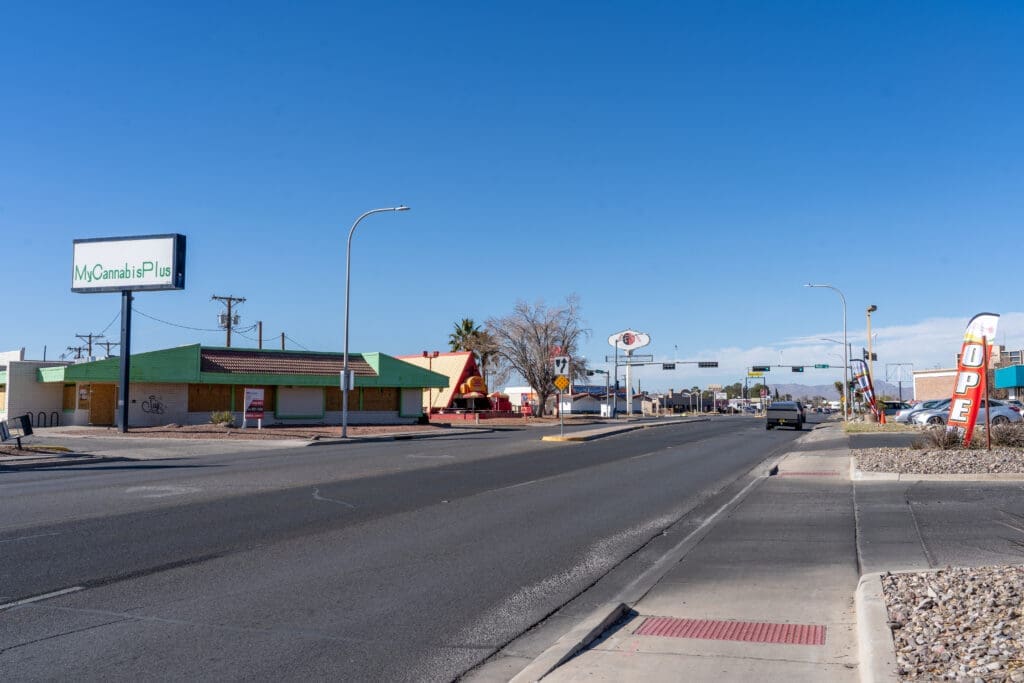
El Paseo & S. Solano MRA
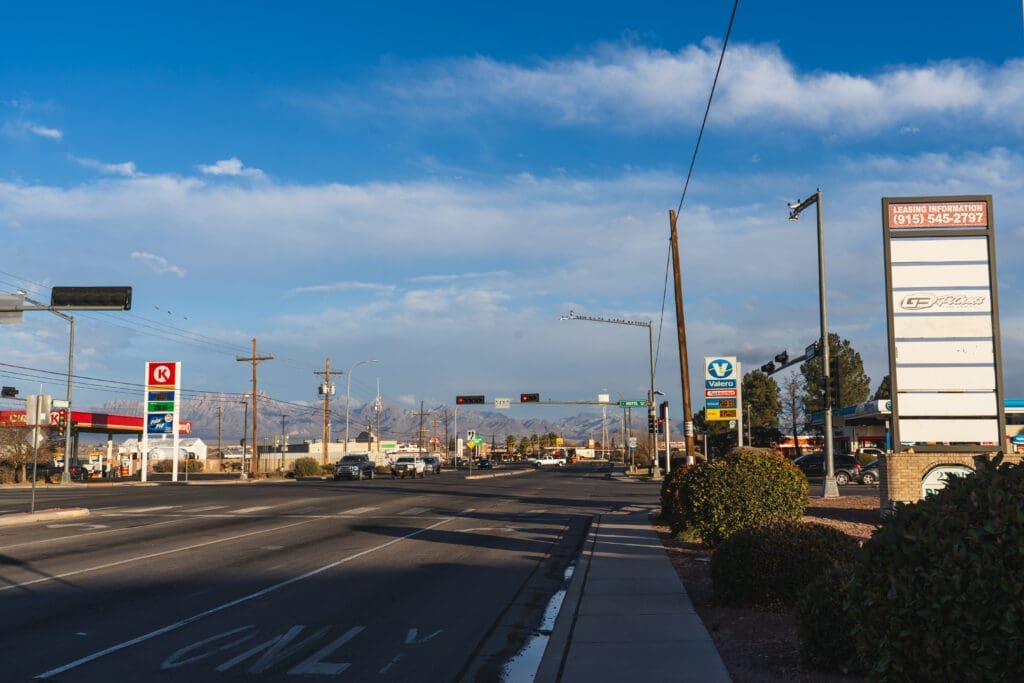
W. Picacho & Motel Boulevard MRA
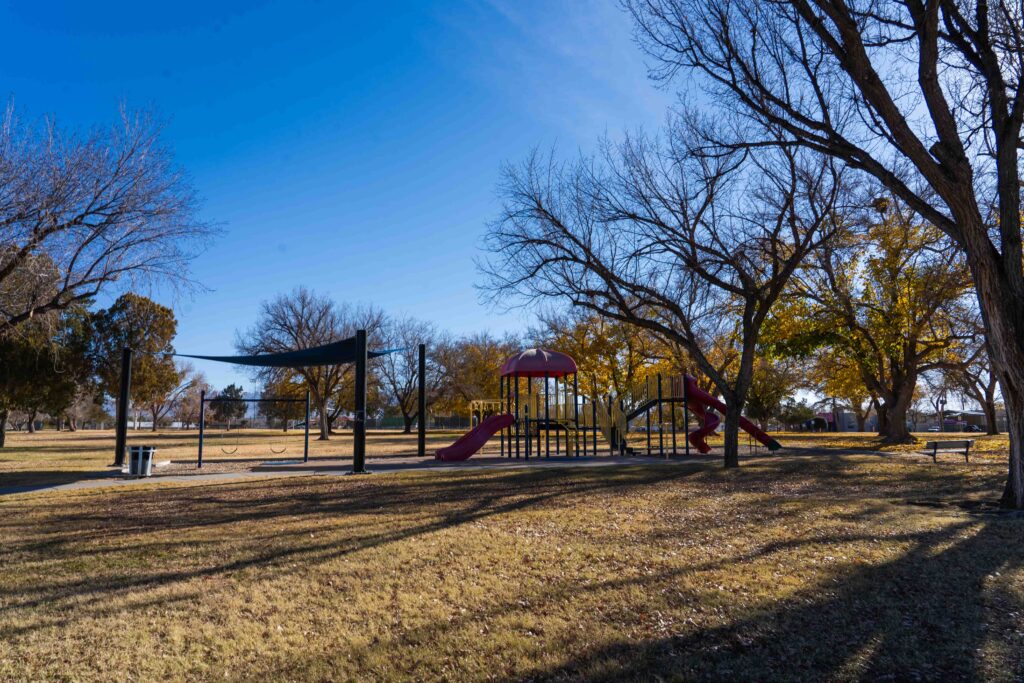
Apodaca & Lift Up Area MRA
New Gross Receipts Tax (GRT) Business Tax Codes Starting July 1, 2025, the New Mexico Taxation and Revenue Department is implementing updated Location Codes for businesses filing Gross Receipts Tax through the TAP Portal.
TAX INCREMENT FINANCING
In New Mexico, Tax Increment Financing (TIF) is a redevelopment tool authorized under the Metropolitan Redevelopment Code that allows a local government to reinvest a portion of new tax revenue generated within a designated Metropolitan Redevelopment Area (MRA) back into that same area to support redevelopment. TIF may only be used in MRAs with an adopted redevelopment plan approved by the local governing body.
Businesses must verify their new Gross Receipts Tax (GRT) location code to ensure their tax filings are accurately attributed to the correct area within the City. The location code determines where GRT revenue is allocated, including whether a business falls within a Tax Increment Financing (TIF) district. Accurate location coding ensures that GRT growth is properly tracked and reinvested in designated TIF areas to support infrastructure, redevelopment, and economic development projects. Businesses can confirm their correct location code through the New Mexico Taxation and Revenue Department website or directly within their Taxpayer Access Point (TAP) portal when filing returns.
HOW TIF WORKS
• Does not increase taxes.
• Captures a portion of the natural growth in property tax and/or gross
receipts tax (GRT) revenues above a certified base year.
• Base revenues are protected.
• City, County, State, and other taxing entities continue to receive all baseline
revenues, plus at least 25% of new incremental growth.
• Up to 75% of the tax increment may be dedicated to the MRA
redevelopment fund by resolution of the local governing body.
• State participation is not automatic.
• Dedication of the state portion of GRT requires approval from the New
Mexico State Board of Finance.
DURATION
• TIF revenues may be collected for up to 20 years.
• After expiration, 100% of tax revenues revert to the City, County, and State.
USE OF TIF FUNDS
TIF revenues may be used for projects consistent with the adopted MRA plan, including:
• Public-private redevelopment projects
• Infrastructure improvements
• Housing (including affordable and mixed-income)
• Land acquisition
• Rehabilitation and support for existing businesses
• Community and economic development services
For more information on Metropolitan Redevelopment Areas, please contact Blairre Flores, Economic Development Coordinator, at [email protected] or 575-528-3048.
